Well, after 3 months in the making and many, many hours of hair pulling. My Mikrokopter Hexa XL is complete and is nearing flight ready. With such an investment both in time and money, I’m understandably nervous about flying it for the first time.
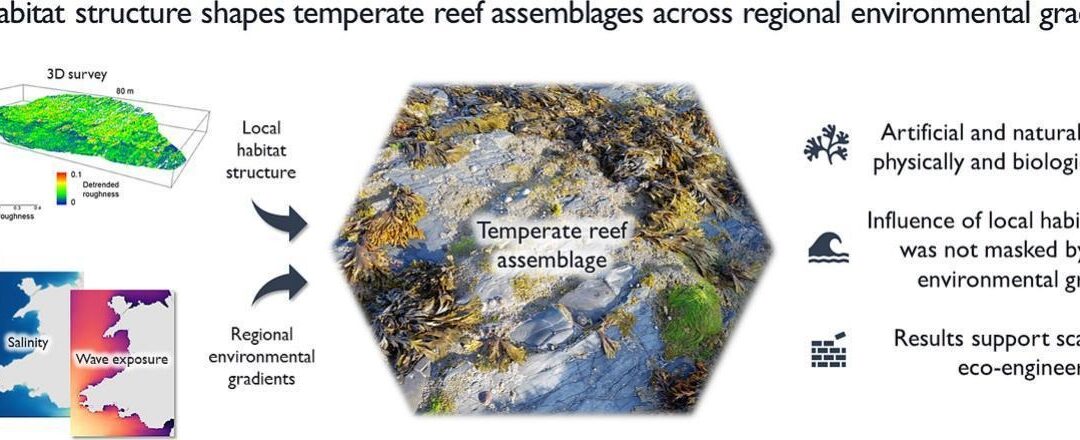
The Hexa was bought to support an ongoing project of mine, essentially, it will be used as an aerial photography platform to monitor sites around the coast of North Wales, building on work that I did during my PhD. The Hexa will in fact support one of my PhD students who starts her project in September 2011. We will first develop a database of existing aerial photography of the Welsh coastline going back as far as we can (hopefully to the 1940′s). We will then revisit these sites at the present day with the Hexa, taking up to date imagery. We’re going to look at changing human utilisation of the coast and the dynamics of seaweed and biogenic reefs.
The Hexa was acquired from mikrocontroller.com and is the basic set. Notable additions are:
MK GPS
MK3 mag
Bluetooth connectivity to PC
LiPo holder
6 LiPos 6600 mah
Ultramat 14 Plus charger
MK HiSight II SE camera mount.
The video below shows the first test of the system. I had to wire a LED to the buzzer to visualise the beeping error codes and status updates so it took a while to get that far. It is a worthwhile addition and the LED is simply soldered to the positive and negative terminals of the buzzer.
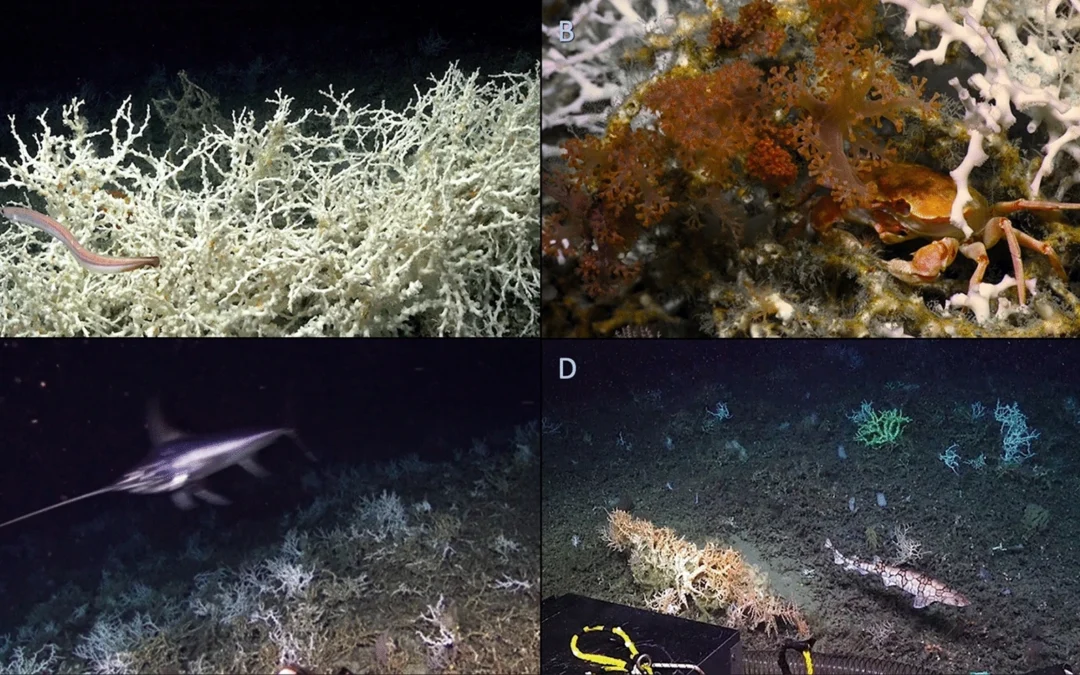
Cold-water corals are found in all the oceans of the world. Usually below 200 metres, they create structurally complex habitat that gives rise to a unique deep-sea ecosystem in, what otherwise may be a relatively featureless area. Numerous other filter-feeding organisms are found, along with fish that may use the coral as a nursery ground. Yet, we don’t know where many occurrences of cold-water coral are….
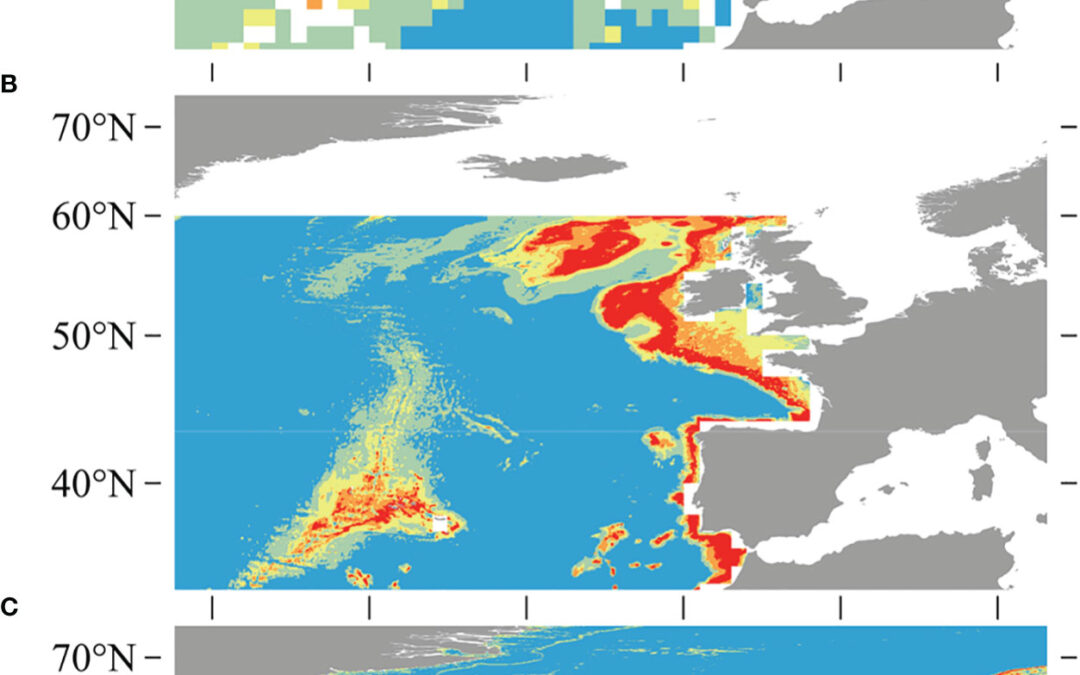
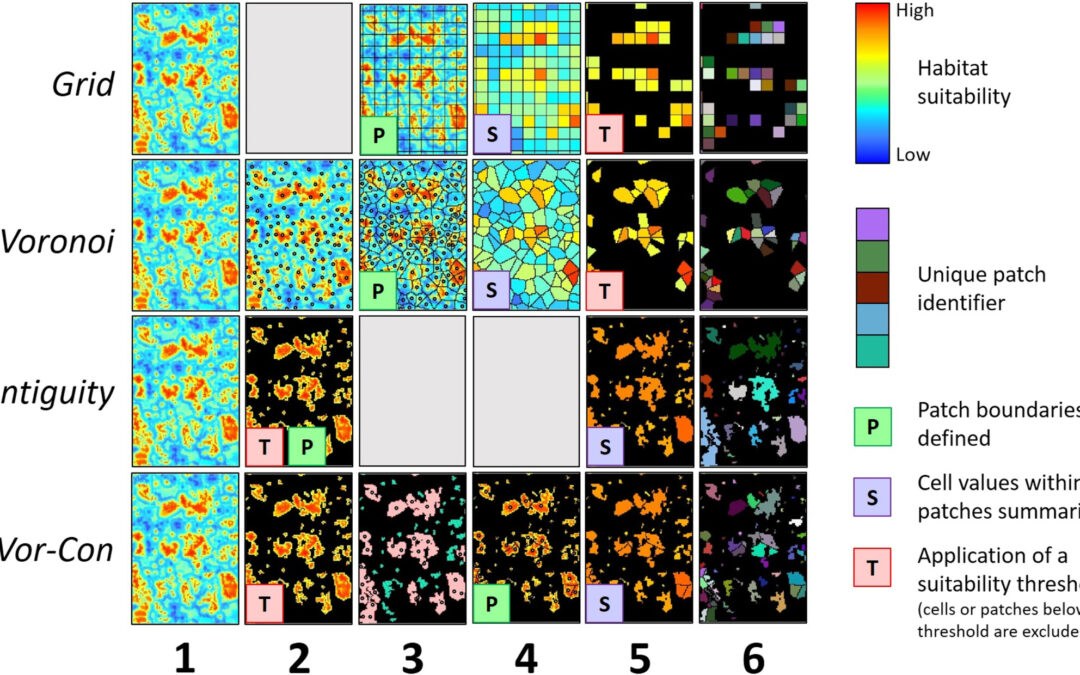
This is where habitat suitability modelling comes in. By using the best available scientific information and powerful statistical tools, we are able to predict, based on the species environmental requirements where they are likely to occur. Mine and John’s work, published in PLoS ONE is an important step towards turning habitat suitability modelling into a viable tool for the protection of vulnerable marine ecosystems in the deep sea. This paper represents several years of work, designing and constructing new approaches to allow us to model coral distributions at high resolution. The outputs speak for themselves, with a 1 km resolution, we may finally be able to say to other researchers, go here, you have a good chance of finding coral in this area. Or, we may be able to say, there is a high probability of coral occurrence here, perhaps we could designate this area closed to bottom contact fishing or other exploitation.
Read the abstract below, or download the PDF from either my site or the PLoS ONE site.
Davies AJ, Guinotte JM (2011) Global Habitat Suitability for Framework-Forming Cold-Water Corals. PLoS ONE 6(4): e18483. doi:10.1371/journal.pone.0018483
Abstract
Predictive habitat models are increasingly being used by conservationists, researchers and governmental bodies to identify vulnerable ecosystems and species’ distributions in areas that have not been sampled. However, in the deep sea, several limitations have restricted the widespread utilisation of this approach. These range from issues with the accuracy of species presences, the lack of reliable absence data and the limited spatial resolution of environmental factors known or thought to control deep-sea species’ distributions. To address these problems, global habitat suitability models have been generated for five species of framework-forming scleractinian corals by taking the best available data and using a novel approach to generate high resolution maps of seafloor conditions. High-resolution global bathymetry was used to resample gridded data from sources such as World Ocean Atlas to produce continuous 30-arc second (~1 km2) global grids for environmental, chemical and physical data of the world’s oceans. The increased area and resolution of the environmental variables resulted in a greater number of coral presence records being incorporated into habitat models and higher accuracy of model predictions. The most important factors in determining cold-water coral habitat suitability were depth, temperature, aragonite saturation state and salinity. Model outputs indicated the majority of suitable coral habitat is likely to occur on the continental shelves and slopes of the Atlantic, South Pacific and Indian Oceans. The North Pacific has very little suitable scleractinian coral habitat. Numerous small scale features (i.e., seamounts), which have not been sampled or identified as having a high probability of supporting cold-water coral habitat were identified in all ocean basins. Field validation of newly identified areas is needed to determine the accuracy of model results, assess the utility of modelling efforts to identify vulnerable marine ecosystems for inclusion in future marine protected areas and reduce coral bycatch by commercial fisheries.